
 So how was it for you?
Angela Ward, Manager, PR Services with The Marketing Eye, interviewed a number of local businesses and professional advisers to gauge their reaction to this afternoon's Budget.
Today’s Budget was, businesses in the South East, generally agreed ‘good and well intended’.
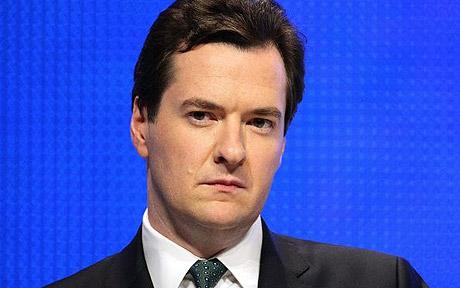
Neil Edwards, managing director of The Marketing Eye said: “George Osborne said a lot of the things that small businesses want to hear - making Britain the best place to start up, finance and grow a small business has to be the right aim. However, service businesses in the South East never seem to get a mention – and we need a helping hand too. We are looking for more incentives and tax breaks to employ people in the South East.”
It wasn’t, however, a Budget with many surprises.
“As the Chancellor was speaking, I was struck by how much we already knew - due, no doubt, to the fact that either economists and accountants are getting better in second-guessing what’s coming or perhaps the government is getting better at leaking proposals before they are made public,” commented Martin Pollins, managing director, Bizezia. “Overall, it looks like a sensible Budget that responds fairly to the concerns of many citizens in the UK.”
There were a few ‘headline grabbers’, such as the proposed merger of income tax and National Insurance.
“However, this will have political implications about raising tax rates and will need to be carefully considered to make sure it doesn’t hit the ‘wrong’ people,” added Keith Hall, director, Feist Hedgethorne.
Nick Green, branch manager of Handelsbanken in Tunbridge Wells, described it as ‘a Budget that appeared to be aimed at stimulating growth and empowering entrepreneurial Britain’. He said that this could be seen in a number of measures, particularly the cut in Corporation Tax, no new regulation for small firms for the next three years and new rules to help planners prioritise jobs and growth.
Martin Pollins pointed out that cutting the Corporation Tax rate by 2% will mean that the tax rate will be the lowest in the G7 and Richard Holme, a partner at Creaseys, agreed that the cut in Corporation Tax is good news.
“This will hopefully encourage investment,” he added. “The rate for smaller companies will fall, as planned, to 20% from next month. More individuals and businesses should now look to channel activities through limited companies to save large amounts of tax, especially if extractions of profit can be deferred.”
Another key highlight was that investments under the Enterprise Investment Scheme (EIS) will attract tax relief of 30% (from 20%) form April 6, something described as a ‘step in the right direction to getting people to invest in small and growing businesses’ by Richard Holme.
Kieron Robertson, estate planner and independent financial adviser, Valiant Financial Consultants, added: “Increase in entrepreneurs’ relief will also be well received from those in business – a doubling of the lifetime limit of gains from £5 million to £10 million.”
It was also announced that there will be an increase in research and development tax relief to 200% (and 225% next year), which was described by Keith Hall as ‘an opportunity that smaller companies in the digital community should not overlook’.
Neil Edwards said that there wasn’t much in the Budget to take the risk out of employing staff and to get people back to work and spending again.
He added: “We want to grow the business, take on new staff and reward the ones we’ve got. Finding the cash for pay rises is difficult in the current climate and it’s made harder if anything you do offer is negated by inflation and increased NI. I am, however, pleased that increase in the personal allowance will offset the rise in NI for individuals and that steps are being taken to limit the rise in fuel prices. This means any pay rises we can offer will make people better off each month.”
There was some relief for first time buyers, which Nick Green said was ‘good’ and Kieron Robertson agreed. He explained: “The £250 million commitment to first time buyers provides some solace to those struggling to raise deposits – although it is a shame it is restricted to those buying new homes. Will this mean that more school fields are sold off?”
The one thing which everyone – including said Nick Green ‘the beleaguered motorist and haulage firms’ - was united in welcoming was the measures to freeze the planned inflation rise in fuel duty and reduce it by 1p.
The announcement of a 10% Inheritance Tax discount for those leaving 10% of more of their estate to charity was welcomed.
“The charity sector is suffering at the moment – so anything that can be done to give it a boost is good news,” said Richard Holme. “It is also positive for people who wish to leave part of their estate to charity. Donors will need to look carefully at their wills and also plan whether to give to charity in lifetime through gift aid, or on death to save Inheritance Tax.”
Kieron Robertson concluded that it was ‘always going to be a hard Budget – with so much anguish caused over the last few years (if not longer?) and the borrowing to fund the deficit forecast of £146 billion.”
Neil Edwards added that ‘there is still a lot of uncertainty out there’. He explained: “Rising inflation rates and threats of increases in interest rates don’t help. In the absence of confidence, we need our costs held down and the ability to leave as much profit in the business as we can to re-invest - not paying it all out in tax.”
Neil Edwards, managing director of The Marketing Eye said: “George Osborne said a lot of the things that small businesses want to hear - making Britain the best place to start up, finance and grow a small business has to be the right aim. However, service businesses in the South East never seem to get a mention – and we need a helping hand too. We are looking for more incentives and tax breaks to employ people in the South East.”
It wasn’t, however, a Budget with many surprises.
“As the Chancellor was speaking, I was struck by how much we already knew - due, no doubt, to the fact that either economists and accountants are getting better in second-guessing what’s coming or perhaps the government is getting better at leaking proposals before they are made public,” commented Martin Pollins, managing director, Bizezia. “Overall, it looks like a sensible Budget that responds fairly to the concerns of many citizens in the UK.”
There were a few ‘headline grabbers’, such as the proposed merger of income tax and National Insurance.
“However, this will have political implications about raising tax rates and will need to be carefully considered to make sure it doesn’t hit the ‘wrong’ people,” added Keith Hall, director, Feist Hedgethorne.
Nick Green, branch manager of Handelsbanken in Tunbridge Wells, described it as ‘a Budget that appeared to be aimed at stimulating growth and empowering entrepreneurial Britain’. He said that this could be seen in a number of measures, particularly the cut in Corporation Tax, no new regulation for small firms for the next three years and new rules to help planners prioritise jobs and growth.
Martin Pollins pointed out that cutting the Corporation Tax rate by 2% will mean that the tax rate will be the lowest in the G7 and Richard Holme, a partner at Creaseys, agreed that the cut in Corporation Tax is good news.
“This will hopefully encourage investment,” he added. “The rate for smaller companies will fall, as planned, to 20% from next month. More individuals and businesses should now look to channel activities through limited companies to save large amounts of tax, especially if extractions of profit can be deferred.”
Another key highlight was that investments under the Enterprise Investment Scheme (EIS) will attract tax relief of 30% (from 20%) form April 6, something described as a ‘step in the right direction to getting people to invest in small and growing businesses’ by Richard Holme.
Kieron Robertson, estate planner and independent financial adviser, Valiant Financial Consultants, added: “Increase in entrepreneurs’ relief will also be well received from those in business – a doubling of the lifetime limit of gains from £5 million to £10 million.”
It was also announced that there will be an increase in research and development tax relief to 200% (and 225% next year), which was described by Keith Hall as ‘an opportunity that smaller companies in the digital community should not overlook’.
Neil Edwards said that there wasn’t much in the Budget to take the risk out of employing staff and to get people back to work and spending again.
He added: “We want to grow the business, take on new staff and reward the ones we’ve got. Finding the cash for pay rises is difficult in the current climate and it’s made harder if anything you do offer is negated by inflation and increased NI. I am, however, pleased that increase in the personal allowance will offset the rise in NI for individuals and that steps are being taken to limit the rise in fuel prices. This means any pay rises we can offer will make people better off each month.”
There was some relief for first time buyers, which Nick Green said was ‘good’ and Kieron Robertson agreed. He explained: “The £250 million commitment to first time buyers provides some solace to those struggling to raise deposits – although it is a shame it is restricted to those buying new homes. Will this mean that more school fields are sold off?”
The one thing which everyone – including said Nick Green ‘the beleaguered motorist and haulage firms’ - was united in welcoming was the measures to freeze the planned inflation rise in fuel duty and reduce it by 1p.
The announcement of a 10% Inheritance Tax discount for those leaving 10% of more of their estate to charity was welcomed.
“The charity sector is suffering at the moment – so anything that can be done to give it a boost is good news,” said Richard Holme. “It is also positive for people who wish to leave part of their estate to charity. Donors will need to look carefully at their wills and also plan whether to give to charity in lifetime through gift aid, or on death to save Inheritance Tax.”
Kieron Robertson concluded that it was ‘always going to be a hard Budget – with so much anguish caused over the last few years (if not longer?) and the borrowing to fund the deficit forecast of £146 billion.”
Neil Edwards added that ‘there is still a lot of uncertainty out there’. He explained: “Rising inflation rates and threats of increases in interest rates don’t help. In the absence of confidence, we need our costs held down and the ability to leave as much profit in the business as we can to re-invest - not paying it all out in tax.”




 Posts
Posts



